
3D CT CONE BEAM
Cone Beam Computed Tomography (CBCT), also known as 3D dental imaging, allows us to see a larger portion of the anatomy with improved clarity compared to traditional dental x-rays that use film.
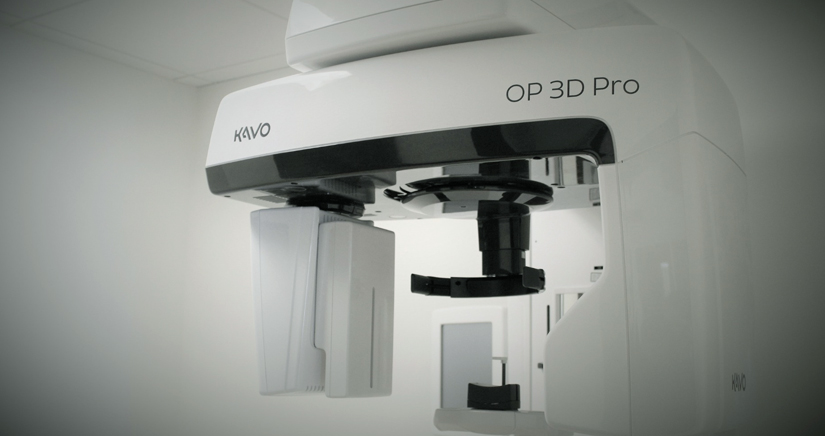
What does 3D CT imaging entail?
Traditional x-rays use radiation waves to capture 2D images of small areas of the body, including specific sections of the smile for dentists. However, 3D computed tomography (CT) scans offer more detailed images of oral and facial structures, providing a better understanding of their overall function. Unlike flat tooth images, CT scans allow us to view a 3D image of a damaged tooth from different angles, examining every aspect. This ability extends beyond individual teeth, as CT scans enable us to visualize every aspect of the entire smile.
What is the purpose of using 3D CT imaging?
We recommend using 3D CT scans to improve dental care for patients in different scenarios, including:
- Evaluating and designing treatment strategies for individuals experiencing temporomandibular joint (TMJ) dysfunction.
- We specialize in the production of surgical guides for precise dental implant placement, as well as the attachment of replacement teeth.
- Getting ready for oral surgery procedures such as tooth extractions
- Ensuring the safety and efficacy of root canal therapy.
What advantages does 3D CT scanning offer in dental care?
In our office, we use 3D CT scans to enhance the patient experience. Patients can view 3D images of their smile on computer monitors in the dental chair, helping them understand concerns and treatment options. We can also zoom in on specific areas for a clearer view of oral health issues. The digital files can be instantly shared with labs, insurance providers, and specialists, speeding up treatment. They can also be stored, reviewed, and compared with other x-rays for better effectiveness and success rates.