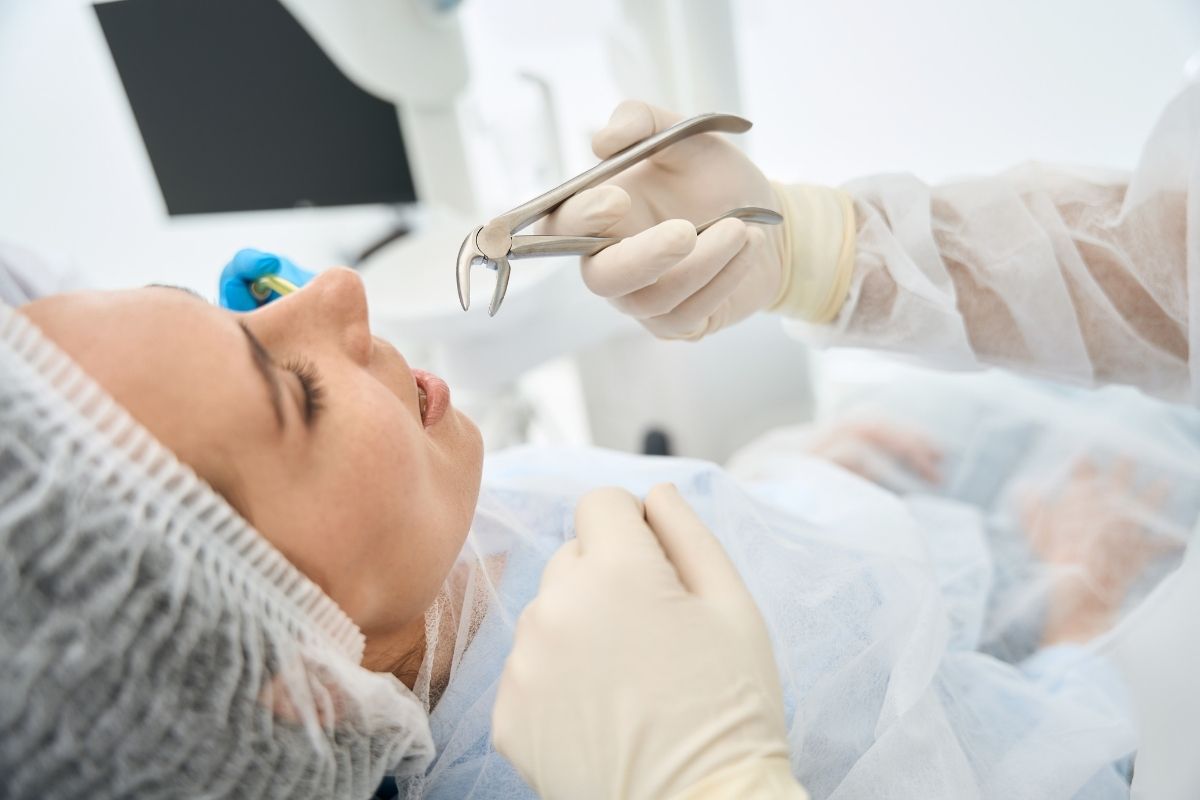
Can I Get Tooth Fillings While Pregnancy?
Pregnancy is a time of immense joy and anticipation, but it also comes with unique health considerations, including dental care. Many expecting mothers wonder about the safety of dental treatments like tooth fillings during this special time. Let’s delve into this topic to provide clarity and guidance.
Understanding Dental Fillings
Dental fillings are commonly used to treat cavities (dental caries) and restore damaged teeth. They help prevent further decay and restore normal tooth function. There are several types of dental fillings available, each with its own characteristics:
- Amalgam Fillings: These are made from a mixture of metals, including silver, mercury, tin, and copper. Amalgam fillings have been used for decades due to their durability and affordability.
- Composite Fillings: These are tooth-colored fillings made from a mixture of resin and glass or quartz particles. They blend in naturally with your teeth, providing a more aesthetic option compared to amalgam.
- Glass Ionomer Fillings: These fillings release fluoride, which can help protect the tooth from further decay. They are often used for children or in areas not subjected to heavy chewing pressure.
- Gold Fillings: These are durable and long-lasting, but are less common due to their high cost and less aesthetic appeal.
Safety of Dental Fillings During Pregnancy
The safety of dental treatments, including fillings, during pregnancy is a common concern. According to the American Dental Association (ADA) and the American Congress of Obstetricians and Gynecologists (ACOG), routine dental care, including fillings and cleanings, is safe during pregnancy. Untreated dental infections and gum disease can pose risks to both the mother and baby, making regular dental visits essential.
Considerations for Pregnant Women
While dental fillings are generally considered safe during pregnancy, there are a few considerations:
- Timing: If possible, dental work such as fillings should ideally be done during the second trimester. This is often considered the safest time for dental procedures during pregnancy.
- Anesthesia: Local anesthesia, which is commonly used during dental procedures, is generally safe during pregnancy when administered in standard doses. Your dentist will take precautions to ensure minimal risk.
- X-Rays: Dental X-rays may be postponed until after pregnancy, although if necessary, they can be performed with proper shielding to minimize exposure.
Traditional Dental Cleanings
Regular dental cleanings are crucial during pregnancy to prevent gum disease and maintain oral health. Scaling and root planing (deep cleaning) may also be recommended if gum disease is present. These procedures help reduce the risk of complications such as preterm birth, which has been linked to untreated gum disease.
Permanent Tooth Fillings and Your Dental Health
Whether you opt for amalgam, composite, or another type of filling, the goal is to restore your tooth’s function and appearance effectively. Your dentist will discuss the best option based on your dental health needs, considering safety and durability.
In conclusion, getting tooth fillings during pregnancy is generally safe and important for maintaining overall health. Choosing the right type of filling and timing your dental visits carefully can help ensure a smooth experience. Always communicate openly with your dentist about your pregnancy and any concerns you may have. Remember, taking care of your dental health during pregnancy contributes to your well-being and that of your growing baby.